

Protect Your Home From Cold Drafts This Winter
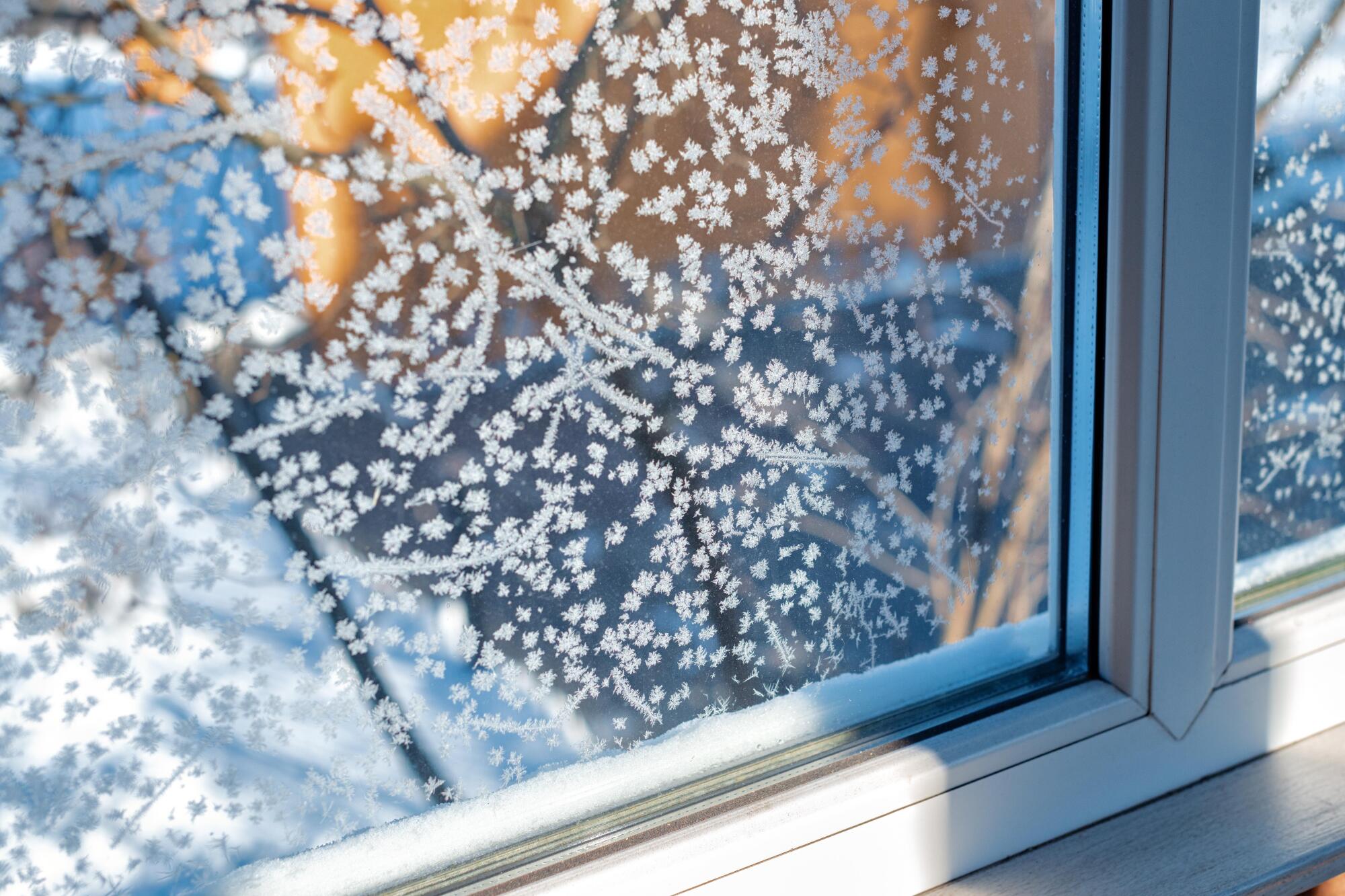
Storm projections are coming in and it’s looking like winter is ready to dig in its heels. That naturally means higher energy bills as you try to keep your living spaces cozy and comfortable for the season. At Fairview Home Improvement we understand the struggle, and so we’re here with our best, most practical tips that can help you to boost indoor warmth while also saving your pennies.
Why Your Home Loses Heat
The best way to keep your home warm this winter is to stop cold air in its tracks. So before we get into the tips, let’s go to the root of the issue and figure out exactly why your home could be losing heat in the first place.
Common areas within a home that are prone to heat loss generally have a few things in common: gaps and openings in your home’s structure and other areas that may not be well insulated. These areas typically include:
- Ceilings, walls, and floors
- Windows and doors
- Air ducts
- Chimneys and fireplaces
- Plumbing and wiring routes
- Electrical outlets and switch plates
To know if this is true in your home, you’ll need to do some detective work. Inspect all the above areas for visual gaps. Also feel for drafts or airflow. If those aren’t yielding results, a flickering candle flame will quickly let you know if air is coming in. Make note of any areas that have clear visual gaps or fail the candle test so that you can address them.
Now that you have a better idea of where your home’s entry points are for winter’s cold, here’s what you can do to keep that expensive warm air inside your home, where it belongs.
Ceilings, Walls, and Floors
While it may not be your first thought, the very structure of your rooms in your home could be partially to blame when it comes to cooler than normal indoor temperatures in winter. Think of your room like a hot dish, straight out of the oven. The best way to keep it piping hot without adding more heat is to insulate it from all sides. And the same goes for your living spaces.
Here’s what to do:
- Seek out and seal any small cracks or crevices between floor boards
- Add insulation beneath the floor if possible
- Add heavy rugs with carpet pads
- Insulate attic floors and crawlspaces
- Add insulation between walls
- Insulate doors or access points to the attic and basement
If you can’t get into an insulation project right now, fabrics can go far to keeping heat in and cold drafts out. Think about the thick tapestries on medieval castle walls–they weren’t just for show, they also helped to keep damp, cold weather out and warmth from fireplaces in. Using thick window coverings, wall hangings, and other fabric options can help to corral heat where you want it most.
Windows and Doors
While opting for entry door installation in Cleveland or installing replacement windows in your Cleveland home may be the ideal solution, that might not be in your budget right now. Instead, there are some key things that you can do to ensure that your home’s windows and doors aren’t working against your efforts. This is especially true if you live in an older home or if windows and doors haven’t been replaced for some time. Things can shift and settle, and when you take a close look you can see that there are minute gaps between window casing and walls or trim.
Here’s what to do:
- Seal gaps around windows using caulk
- Seal around doors using weatherstripping
- Install door sweeps to block drafts
- Use draft stoppers (AKA "draft snakes") along the bottom of exterior doors
- Install a clear plastic film to add an insulative layer to window panes
- Add storm windows to create an extra barrier
- Close interior doors to keep heat in a room
- Install window coverings on all windows, including skylights
It’s worth mentioning that over time and with repeated exposure to the elements, caulk and weatherstripping can be compromised. So carefully examine what’s already in place and be sure to remove and replace old, faulty, or degraded caulk and weather stripping.
Another way to make the most of windows and doors is to harness the natural heat of sunlight. During daylight hours, open curtains and blinds on south-facing windows to let the sun’s free heat into your home. On the other hand, keep shady north-facing windows covered to prevent heat loss. Always cover windows at night, using thick, thermal drapes or curtains, and honeycomb blinds to trap highly insulative air pockets.
Here’s a tip to not only cut down on drafts but amp up your indoor design: try layering curtains! Install a double rod so you can pair sheer panels with thicker drapes for a high-end effect and another buffering layer of insulation. And while mail slots on exterior doors may need to remain accessible, pairing a storm door with your entry door installation helps to prevent excessive draftiness.
Heating System
A key part of keeping your home comfortable in cold weather is ensuring that your HVAC equipment is functioning at its best. That entails regular maintenance, from filter changes and air vent cleaning to seasonal tuneups and prompt repairs when needed. On top of proper care, the various components of a heating system can also impact efficiency and warmth.
Here’s what to do:
- Find a comfortable temperature and keep it consistent, lowering slightly at night
- Utilize zonal heating on your thermostat (if available)
- Seal joints and add insulation to exposed air ducts
- Close off and block vents in unused or less-frequented rooms
- Add temporary, supplemental heating to key rooms
- Move furniture away from vents and registers to allow for proper airflow
- Reverse ceiling fan blade direction to create an updraft to aid circulation
- Seal cracks in chimneys and fireplaces
- Use an insert or fireplace doors to prevent heat loss and drafts
If you already have a programmable or smart thermostat, utilize it to learn your family’s habits and set clear parameters to effortlessly keep temperatures reigned in. Experts recommend a general setting of 68°F when you’re at home and awake, 60–65°F when you’re away or asleep. Strategically managing your thermostat can do wonders to start inching down your energy bill. It is also worth considering adding alternative heating options like a wood burner or pellet stove or a ductless mini-split. Addressing the cause of heat loss should be your priority, but more energy efficient ways of heating your home can also be beneficial options.
One last tip: it’s winter, dress the part! Additional layers, cozy slippers, snuggly blankets and a warm beverage ensure that you can stay warm, even if you’re fighting drafts and trying to keep bills low.
Plumbing and Wiring
Electrical outlets and switch plates are housed inside the walls of your home, and making a hole in that surface to install and then access electricity can allow cold, drafty air inside, especially when located on exterior walls. Safely hold your hand in front of an outlet, and you may feel a cool stream of air entering your living space. It doesn’t seem like much, but multiplied by dozens of these drafts throughout your home, these insulative breeches could have a lot to do with your heating struggles.
Plumbing lines can also be problematic. They weave throughout your home and may be housed in exterior walls as well. The openings they require to enter and exit hidden corridors inside the walls can easily allow an exchange of heated indoor air and cold outdoor air, resulting in drafts.
Here’s what to do:
- Add caulk or insulation batting to areas where pipes, ducts, and other utilities come through otherwise solid surfaces
- Use pipe insulation to conserve the heat in hot water
- Install foam gaskets behind outlet and switch plates
- Insert plastic child-safety plugs into unused outlets
- Replace or insulate old recessed lighting fixtures and ceiling exhaust fans
Some insulation projects can easily be done by homeowners. Others may require the help of a professional. Either way, you’re sure to see a reduction in draftiness and a more comfortable living space when you focus on keeping warm air inside.
Level Up Your Home and Property With Our Cleveland Home Improvement Services
A key part of truly enjoying your home is feeling completely at ease. From top ways to reduce drafts to budget-friendly ways to boost curb appeal and ideas for a spring refresh, we’ll always be ready with quick tips and actionable suggestions.
At Fairview Home Improvement, our goal is to help you fall in love with your home and property. From big fixes–like new roofing, gutters, replacement windows and new vinyl siding–to smaller-scale upgrades, like storm door or entry door installation for Cleveland homeowners, our products and services have you covered. Better enjoy the outdoors as well, without worrying about getting rained out, with patio enclosures and patio covers, and stylish but energy-efficient patio doors.
If you’re ready to make a change, or want to start a project in the new year, get in touch with us to learn more and begin the planning process–we’re here to help!